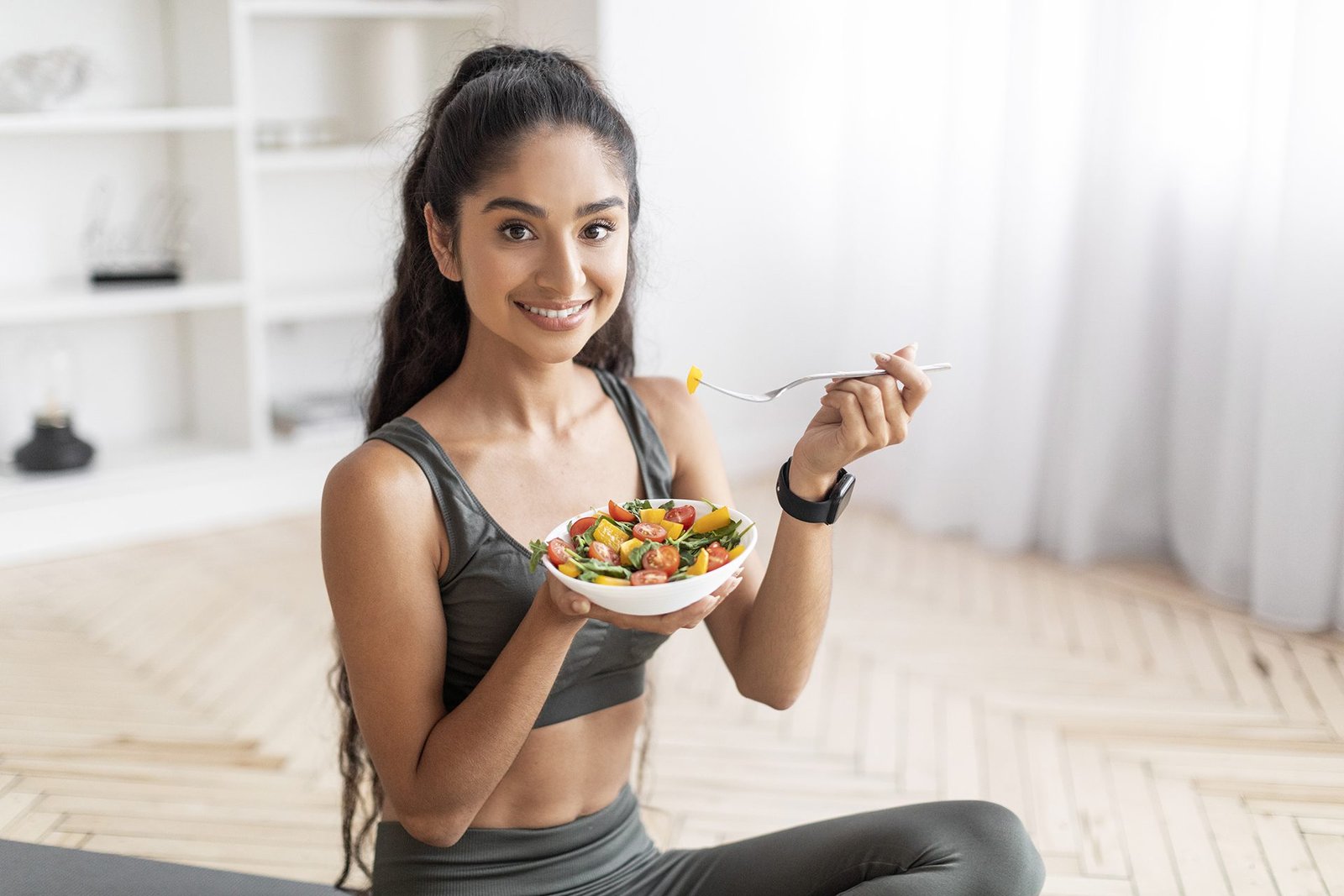
Periods. Aunt Flo. That monthly intruder, which shows up unexpectedly with cramps, mood swings, bloating, and that weird feeling of inhaling a complete bar of chocolate curled up in pajamas and Netflix. The rhythm is well known to anyone who menstruates, but it is not considered very glamorous.
Here’s the twist though: what you eat during your period can completely change how these days feel. Food helps you get more than just energy. This food can provide comfort in just one bite. Food can also provide support to the uterus, lighten mood swings, balance the hormone, and even reduce the cramping heaviness.
Science backs this up. A research published in the Journal of Family Medicine and Primary Care carried out to test the effect of junk food consumption on the girls concludes that the girls who regularly consumed junk food manifested more negative menstrual symptoms than girls who consumed healthier, nutrient-rich foods. The researchers revealed that diet has a significant effect on producing dysmenorrhea. Your food habits can be the cause of cramps and mood swings, sometimes making them painful or rather alleviating them.
Nutritionist Lily Nichols phrases it beautifully in her book Real Food for Pregnancy: “Food is information. Every bite you take sends a signal to your body about how to function.” So why not send your body love notes instead of complaints?
In this blog, we’ll walk through the foods to eat during periods that bring relief, the foods to avoid during periods—ones that make symptoms worse, hydrating drinks that help you glow through the discomfort, and little hacks you can personalize to your needs—whether that’s reducing cramps, lifting energy, or keeping mood swings at bay.
Read our article on period back pain—relief, causes and symptoms!
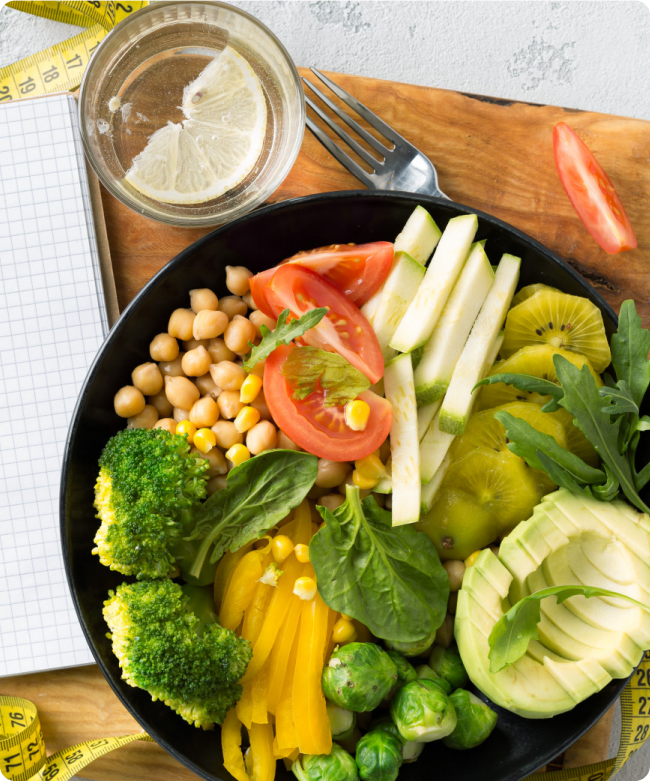
A menstrual cycle is rather similar to a Broadway show. Such hormones as estrogen, progesterone, and prostaglandins really matter a lot in how you feel. They can tremendously affect your mood, cramps or energy levels. Food is the change of scenery. Once this team is functioning harmoniously, things are running smoothly, and you get to be yourself and shine at what you do best.
However, when things go wrong, they can spiral out of control and manifest as fatigue, bloating, or irritation. During your period, you get Iron deficiency as blood loss occurs, and you feel more prone to dizziness and fatigue. At the same time, your body will require more minerals such as magnesium and potassium, as these muscle spasms or cramps are essentially muscle spasms, and these minerals help in soothing the muscles. Hormonal changes also send your blood sugar into chaotic swings more often, so there you are—you’re women—ready to scream at someone simply for breathing too loudly.
And of course, bloating and water retention crash the party, making you feel weighted down and uncozy in your own skin.
At this point, food will be your friend. The diet you select can replace deficient nutrients, reduce inflammation, rehydrate your body, and provide you the sustained energy you want. The female cycle is not a disease but a purifying and youth-renewing one, as Dr. Vasant Lad says in The Complete Book of Ayurvedic Home Remedies. The same should be encouraged by dietary and lifestyle standards, not suppressed by them.
So, it’s vital to see food as supportive, not restrictive, as it helps your body do its job.
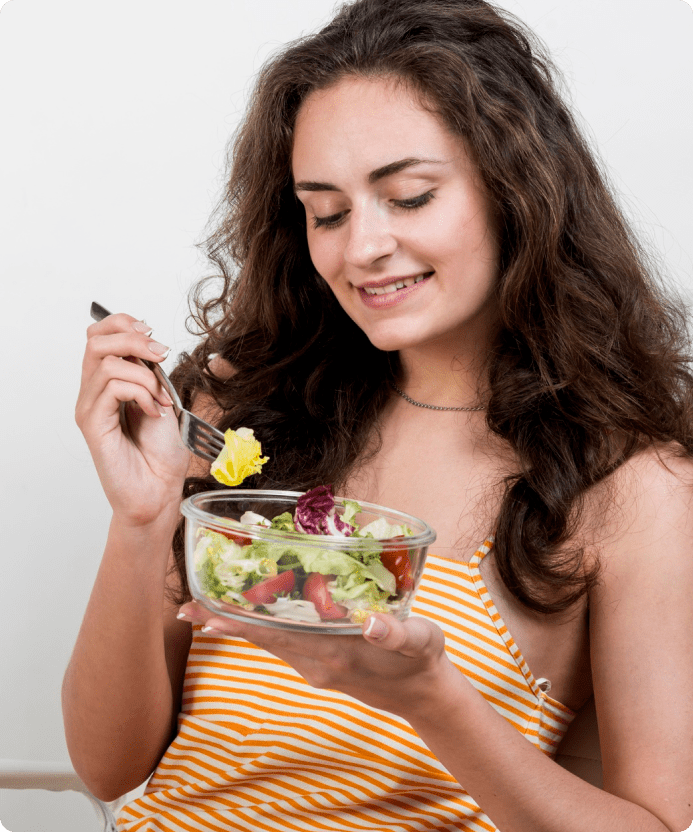
To come up with the answer to what to eat during periods, one should target those foods that will translate into little care packages for your body with their richness of iron, magnesium, complex carbohydrates, and healthy fats on board. Dark leafy greens such as spinach, kale, and methi are excellent substitutes for the iron lost due to bleeding. Because they are plant-based, lentils, beans, and chickpeas will have you feeling less tired. They also contain iron and protein in them.
Fatty fish and nuts are a great source of better fats like omega-3. These fats help the body in the fight against inflammation. Magnesium can be obtained from nuts and seeds that also serve as a muscle relaxant. You won’t go through the mood swings resulting from the blood sugar crash when you eat whole foods, like oats, brown rice, or quinoa.
A hot bowl of spinach dal, topped with a small amount of roasted pumpkin seeds, is something that can warm the belly. If you really need a taste of something sweet, consuming one or two squares of dark chocolate that contains at least 70 percent cocoa can not only satisfy your craving but will also provide a small amount of magnesium to further soothe your body.
Fruits are menstruation’s unsung heroes. They rehydrate, revive, and lighten bloating in the most natural and refreshing way they know. Watermelon, high in potassium, finds its way to relieving water retention and toning down cramps. Watermelon and cucumber provide a lot of water on a tray and drain excess fluids out, leaving you light in weight. Pineapple is a nice addition to this list due to the presence of the bromelain enzyme, which can relax the muscle of the uterus. Vitamin C supplements contain oranges and lemon fruits that aid in improving immune response, but they stimulate the entrance of other iron supplements into the system. Consuming berries as one of the sources of antioxidants would help the body to resolve oxidative stress; that is, they can replenish the body when we are in need.
Think of making your own fruit bowl with all the food that is good for just your cycle: banana slices with blueberries, pineapple pieces, and a drizzle of honey. It doesn’t just feel good for your body—it looks so gorgeous it could brighten even your lowest period day.
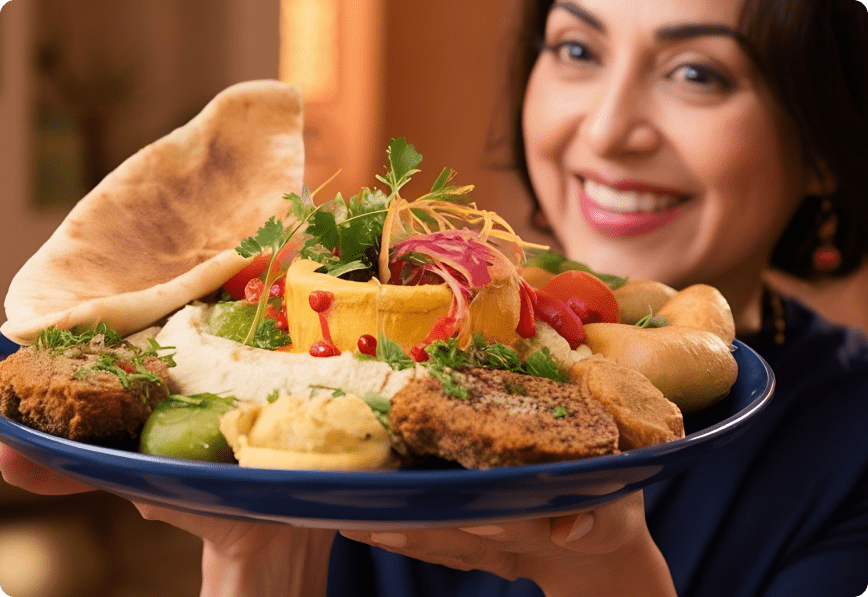
Cramps are the evil of menstruation caused by prostaglandins—compounds that stimulate cramps in the uterus. Certain tightening is needed; however, when the levels jump, the severe pain can be unbearable. This is where anti-inflammation and muscle-relaxation foods come in.
The ginger tea makes a steaming cup that can bring relief to inflammation and decrease the excruciating pain within minutes. Curcumin stands out strongly and helps make the pain and swelling go away. Use it in turmeric lattes, and it becomes deliciously golden. The luscious, dark, rich chocolates make you feel good because of the high cocoa and magnesium content, and the smooth green avocado brings in the potassium and healthy fats, further relaxing the muscles a little bit more. A cup of milk with a mixture of chamomile tea relaxes nerves, settles the womb and gives peace to the body and mind.
To feel the coziest, you can cook a warming vegetable soup with ginger and turmeric in it. It is a hug in a bowl, as well as being healing and deeply comforting.
Occasionally, the swings and turns of your body during your time of the month can tempt you to relent to the temptation of comfort food, even when you know you should be able to resist. And that is perfectly all right!
Here is a pro tip: simply select one of the varieties that will allow you to blunt your cravings without exacerbating your symptoms. Better foods that are not affected by greasiness as opposed to fast food. Whole grain macaroni and cheese is a delicious variation of a traditional comfort dish: the ooey gooey cheese macaroni recipe with a whole wheat macaroni and broccoli recipe. A decadent cup of hot chocolate, whether made of almond milk or raw cacao, will help you feel the same way as a bear hug.
In Indian kitchens, the complete comfort food is khichdi: rice cooked with lentils and a spoonful of ghee to make it easy on the stomach, yet highly nourishing. And to satisfy the craving of a creamy crunch, sweet potato fries made in the oven are a guilty pleasure and a potassium-filled way to ease bloating. This food is always hearty, a bit indulgent, yet still nutritious enough to provide support to the body.
Drinking enough fluids is an aspect that is underestimated, yet it may make all the difference when you are on your period. Keeping hydrated leads to a reduction of bloating, combats cramps, and stabilizes the energy levels. Being able to drink warm water regularly but frequently will help diminish distress and increase the flow.
Herbal teas such as ginger, peppermint and chamomile will get added benefits that include pain relief and relief of stress. Coconut water’s natural electrolytes are perfect for replenishing lost minerals during bleeding. And when it comes to something so deep down soul-quenching, golden milk—a warm concoction of milk and turmeric—boosts your mood and goes a long way towards wellness with its anti-inflammatory nature.
Drinking water throughout the day is a simple but powerful habit to adopt. You can think of it as getting a Beyoncé concert-ready hydration—one your body is worthy of.
Just as important as knowing what to eat is being mindful of what to avoid. There are certain foods that will increase your symptoms, no matter how delicious they may taste. Excessive consumption of caffeine will make you frenetic, not relaxed and drier. Salty food, despite its allure, will not benefit your PS; in fact, the only outcomes you can expect from consuming healthy food are bloating and water retention. Sweets contribute to a Wild Ride on your blood sugar levels, bringing out more dramatic mood swings. Fried and junk foods contain inflammatory foods, which will slow you down and make you feel heavy. Do not consume alcohol since it will only dry out your system more and increase the symptoms of PMS.
Avoiding these foods doesn’t mean complete denial. It simply translates to carving out room to consume something nourishing and soothing that actually has your body in mind. After a while, you will also feel how much more natural and less stressed you are once your meals no longer weigh you down.
Other feminine hygiene incidences, such as light or erratic periods, may be quite severe, and although medical consultation is critical, the nutrition of these women can be boosted. Papaya, which contains the enzyme papain, has a tradition of assisting healthy contractions of the uterus. Beetroot, which helps to increase blood circulation and provide iron, may prove especially beneficial. Natural remedies range from sesame seed and jaggery laddoos that have been collaterally transmitted to have an effect in controlling the flow. Packed with beta-carotene, carrots aid hormonal balance as well as maintain a healthy cycle.
Note that, if your flow is excessively heavy or habitually erratic, food cannot be a substitute for medical advice. Always make sure that you consult a medical professional to eliminate underlying conditions.
Period nutrition cannot be universal since bodily needs vary in each and every woman. To maintain healthy bodies, vegans shall consume lentils, tofu, spinach, chia seeds, and enriched plant-based beverages to attain the nutrients their bodies require. Any worker dreading the inclement weather can easily scurry down to that nutritionist to purchase nutritious soups, fresh fruits, and trail mix because meal preparations are done in advance, leaving them the comfort that there is always something convenient and healthy to eat.
Individuals with mood swings may benefit, particularly when their diet contains more omega-3 foods, like flax seeds, walnuts, or fatty fish, combined with a bit of dark chocolate, which is beneficial in terms of mood. Water-dense fruits, calming tea, and a moderate reduction in salt-rich food can significantly alleviate bloating in women.
It is no longer something to fear every month when you are in a very unpleasant stage of life. By understanding that feeding your body with nourishment that is healthy and consists of large amounts of green leafy vegetables and juicy fruits that contribute to hydration of the body, as well as teas that alleviate stress, will help make the bad moments a little less frustrating. Just encourage yourself by thinking about it as a spa treatment you are giving your body, that you love yourself, you respect yourself, and you care about yourself.
So when you wonder, “what should I eat during periods?” Keep in mind that the answer is neither rigid nor complicated. It’s about whatever makes you feel balanced, cared for, and radiant—while showing cramps, fatigue, and mood swings a graceful exit.

Drink some ginger tea, indulge in dark chocolate, and have turmeric’s golden warmth dissolve the pain.
Bananas settle, watermelon refreshingly cools, berries are energizing and bright in color, and citrus sings energy back into the body.
Comfort in a pot of nutrition can be found in a bowl of khichdi, a mug of hot cocoa, and sweet potatoes fresh from the oven.
Salt, sugar, fizz, and fried temptations only weigh you down like unwanted clouds.
Papaya, beets, sesame, and carrots whisper to your cycle, guiding it gently into rhythm.
Chamomile calms, and coconut water regenerates, as golden milk drapes its burning heat into every cramp.
Lentils, tofu, spinach, chia, and nuts create a tapestry of strength without compromise.
Whole grains steady the mind, and omega-3s lift the spirit, while sugar and caffeine stir storms.

Quick Links
Subscribe Our Newlestter
Get daily inspiration, trending stories, and self-care tips crafted for her.